
Traditional Mexican drinks are an essential part of the country's gastronomy. From refreshing fruit waters to ancient fermented beverages and world-famous spirits, each one reflects ingredients, traditions, and techniques that have been passed down for centuries.
Many of these drinks originated in pre-Hispanic cultures and later evolved under colonial influence. Today, they remain a staple in markets, festivals, restaurants, and celebrations across Mexico. In this guide, you'll discover the 15 most representative traditional Mexican drinks, their origins, ingredients, and what makes each one unique.
What Are Traditional Mexican Drinks?
Traditional Mexican drinks are beverages that form part of Mexico's rich culinary heritage. They are typically made with local ingredients such as corn, cacao, tropical fruits, agave, and spices.
Some date back to indigenous civilizations, while others were developed during the colonial period or in later centuries. What they all share is their connection to Mexican culture, accompanying everything from everyday family meals to festive celebrations.
The History of Traditional Mexican Drinks
Long before the arrival of the Spanish, Mesoamerican civilizations were already preparing beverages made from corn, cacao, agave, and fermented fruits. These drinks were not only consumed as nourishment but also held ceremonial and religious significance.
During the colonial era, distillation techniques were introduced, giving rise to iconic spirits such as tequila and mezcal. Over time, each region developed its own recipes based on local ingredients and climate. Today, these beverages are considered an important part of Mexico's cultural and culinary heritage.
Types of Traditional Mexican Drinks
Fermented Drinks
Fermented drinks are produced through a natural process in which yeast and microorganisms convert the natural sugars found in ingredients into alcohol and flavorful compounds. Fermentation has been practiced in Mesoamerica for centuries, long before European influence.
These beverages are commonly made from natural ingredients such as fruits, corn, or plant sap. They usually contain a low alcohol content and offer complex flavors that combine sweetness, acidity, and sometimes light carbonation. Besides everyday consumption, many also played an important role in rituals and ceremonies.
Pulque
Pulque is an ancient beverage made by fermenting the sap (aguamiel) of the maguey plant. It dates back to pre-Hispanic civilizations, where it was considered a sacred drink and used in religious ceremonies.
It has a thick texture, a milky-white appearance, and a slightly sour flavor with herbal notes. Traditionally served in pulquerías, it can also be mixed with fruits or seeds to create flavored varieties known as curados.
Tepache
Tepache is a popular fermented drink commonly sold by Mexican street vendors. It is made primarily from pineapple peels, piloncillo (unrefined cane sugar), and spices such as cinnamon.
Its short fermentation period produces a lightly alcoholic beverage with a refreshing balance of sweet and tangy flavors. It is especially popular during warm weather and is served ice cold.
Tesgüino
Tesgüino is a traditional beverage prepared by indigenous communities in northern Mexico. It is made from fermented corn and has a thick consistency with a mildly sour flavor.
Rather than being an everyday drink, tesgüino is typically consumed during community ceremonies, traditional celebrations, and social gatherings.
Distilled Spirits
Distilled beverages are produced by distilling previously fermented liquids. This process separates the alcohol from the rest of the liquid, creating spirits with higher alcohol content and concentrated aromas.
Although distillation techniques arrived during the colonial period, they were adapted to local ingredients, especially the many varieties of agave. As a result, Mexico developed some of the world's most distinctive spirits, known for their bold flavors, herbal and smoky notes, and strong connection to specific regions.
Tequila
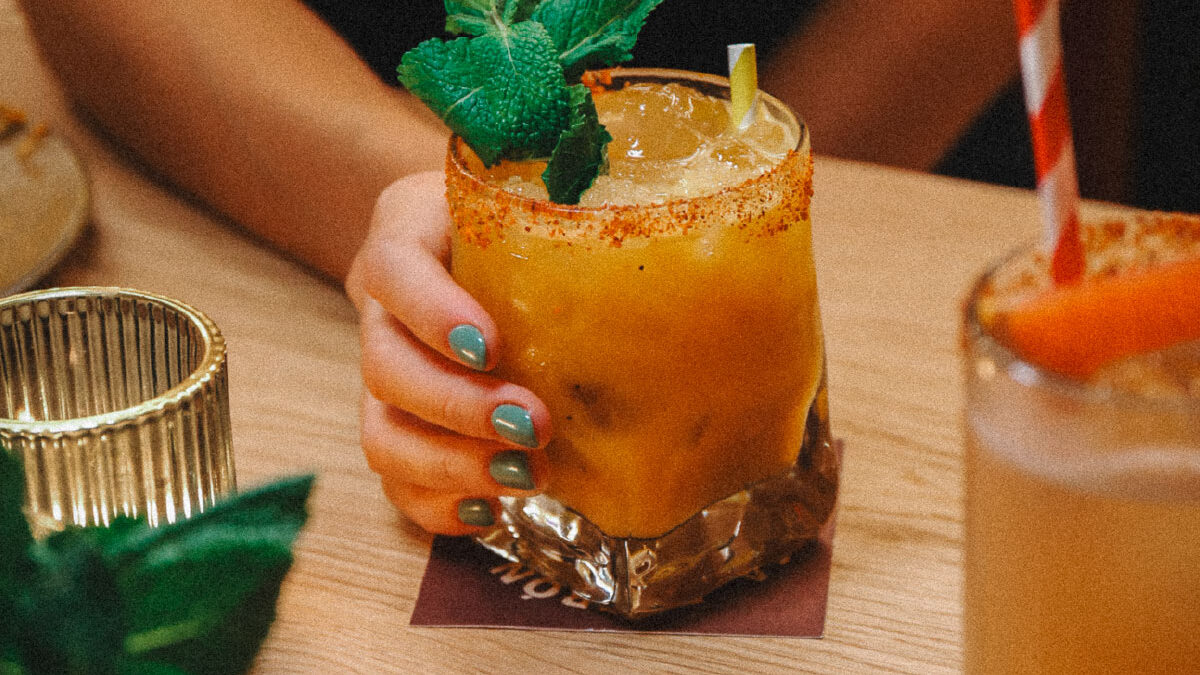
Tequila is one of the most iconic symbols of Mexican culture. It is produced by distilling blue agave and is known for its bold flavor with herbal and slightly sweet notes.
Depending on its aging process, tequila is available in several styles, including Blanco, Reposado, and Añejo. It also serves as the foundation for many of the world's most famous cocktails.
Mezcal
Mezcal is another agave-based spirit, but its production process differs from tequila, giving it its distinctive smoky flavor. Different agave species contribute unique flavor profiles, making mezcal highly appreciated by lovers of artisanal spirits.
Raicilla
Raicilla is a traditional distilled spirit made from several agave varieties. For many years it was produced artisanally in rural communities and has recently experienced a revival thanks to growing interest in traditional Mexican spirits. Its flavor varies depending on the agave and production method, offering herbal, citrus, and sometimes smoky notes.
Bacanora
Bacanora is a traditional agave spirit from northern Mexico. For decades its production was illegal, which contributed to its legendary status and enduring tradition. It is known for its dry, intense flavor with herbal and mineral characteristics.
Sotol
Sotol is a distilled spirit made from the Dasylirion plant. Although it is often mistaken for an agave spirit, it actually comes from a different plant species. Its flavor is earthier and more vegetal, reflecting the desert landscapes where it is traditionally produced.
Margarita
The Margarita is one of the world's most famous cocktails associated with Mexican culture. It is typically made with tequila, fresh lime juice, and orange liqueur, and is served in a glass with a salted rim.
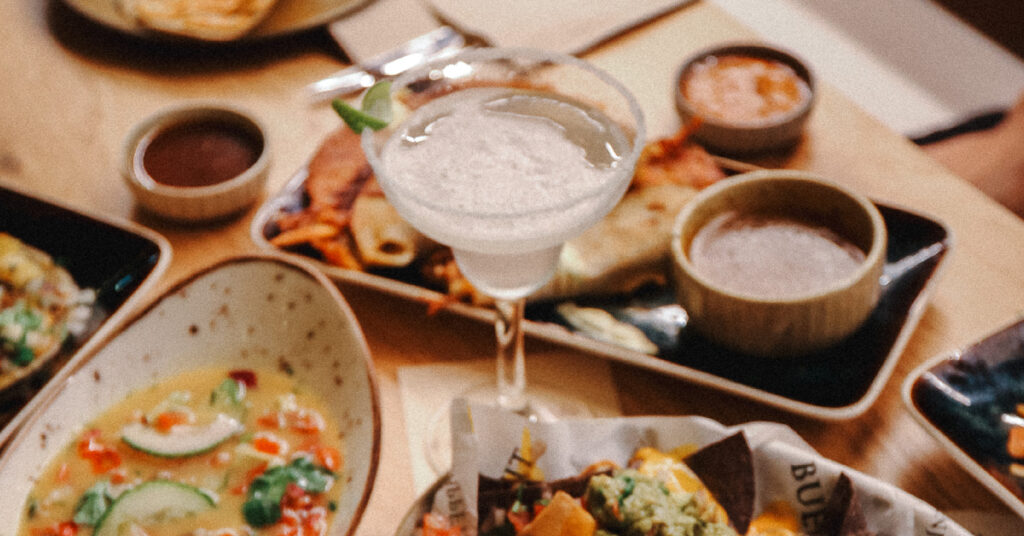
Its flavor offers a perfect balance of citrus, sweetness, and a subtle salty finish, making it one of the most refreshing and versatile cocktails. Although many variations exist, the classic Margarita remains one of the most popular ways to enjoy tequila, especially in Mexican restaurants and bars.
Corn-Based Drinks
Corn is one of the pillars of Mexican cuisine and also plays a central role in many traditional beverages. Cultivated for thousands of years, it has served as the foundation of countless foods and drinks.
Corn-based beverages tend to be thick, nourishing, and comforting. Many are served hot and often include ingredients such as spices, cacao, or natural sweeteners. Historically, they have provided energy and nutrition for generations of Mexican communities.
Atole
Atole is a warm beverage made from corn masa, water or milk, and sugar. It has a thick, comforting texture that makes it especially popular for breakfast or traditional celebrations. There are numerous variations flavored with vanilla, fruit, cinnamon, or chocolate.
Champurrado
Champurrado is a chocolate version of atole made with cacao and piloncillo. It has a richer, sweeter flavor and is traditionally enjoyed hot during holidays and festive occasions.
Tejuino
Tejuino is a refreshing beverage made from fermented corn masa, lime juice, and piloncillo. It has a mildly tangy flavor and is traditionally served chilled, often with ice and a pinch of salt, creating a distinctive balance of sweet, sour, and salty flavors.
Non-Alcoholic Traditional Drinks
Traditional non-alcoholic Mexican beverages are part of everyday life and are especially popular in markets, restaurants, and street food stalls. They are usually prepared by combining water with fruits, flowers, seeds, or grains to create refreshing and flavorful drinks.
These beverages are known for their vibrant colors, natural flavors, and perfect balance of sweetness and acidity. They also pair exceptionally well with spicy Mexican dishes.
Agua de Jamaica
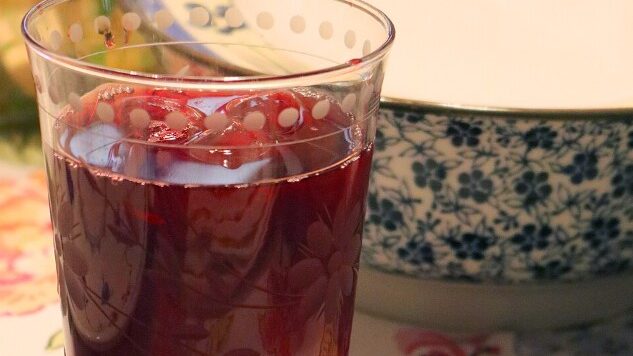
Agua de Jamaica is a refreshing drink made from dried hibiscus flowers, sugar, and water. It has a deep ruby-red color and a pleasantly tart, fruity flavor. It is one of Mexico's most popular aguas frescas and is almost always served chilled alongside meals.
Horchata
Mexican horchata is prepared with ground rice, water, sugar, and cinnamon. The result is a creamy, sweet, and aromatic beverage. Its smooth sweetness makes it the perfect accompaniment to spicy foods.
Tamarind Water
Agua de Tamarindo is made by blending tamarind pulp with water and sugar. It has a sweet-and-sour flavor that is both refreshing and satisfying. It is commonly served in traditional restaurants and food stalls, particularly during the hottest months of the year.
Cacao-Based Drinks
Cacao has held great cultural importance in Mesoamerican civilizations for thousands of years. Long before European contact, it was already being used to prepare ceremonial and social beverages.
Cacao drinks typically offer rich, roasted flavors with subtle bitterness balanced by ingredients such as corn, spices, or natural sweeteners. Over the centuries, these drinks have evolved into regional specialties throughout Mexico.
Pozol
Pozol is a traditional beverage made from corn masa and cacao. It is especially popular in southeastern Mexico. It has a thick texture and a mild roasted cacao flavor. Depending on the region, it may be enjoyed cold as a refreshing drink or consumed as an energy-boosting beverage during long workdays.
What Is the Most Popular Traditional Mexican Drink?
Among all traditional Mexican beverages, tequila is undoubtedly the most internationally recognized. Within Mexico itself, however, aguas frescas, atole, and tepache are consumed on a daily basis. Mexico's rich culinary diversity means that every region has its own favorite traditional beverages.
Many of these drinks share key ingredients that define Mexican cuisine:
- Agave
- Corn
- Cacao
- Tropical fruits
- Piloncillo
- Spices such as cinnamon and vanilla
Together, these ingredients showcase the agricultural richness and culinary traditions of Mexico.
Frequently Asked Questions About Traditional Mexican Drinks
What are the most traditional drinks in Mexico?
Las bebidas típicas de México incluyen una gran variedad de preparaciones que forman parte de su cultura gastronómica. Entre ellas se encuentran bebidas fermentadas, destilados elaborados a partir del agave, refrescantes aguas naturales y bebidas tradicionales hechas con maíz o cacao. Muchas de estas bebidas tienen origen prehispánico y siguen siendo muy populares en la actualidad, tanto en el consumo cotidiano como en celebraciones y festividades.
What is the most popular drink in Mexico?
Among the most widely consumed beverages in Mexico are aguas frescas, particularly when served with meals. Popular varieties include hibiscus (Agua de Jamaica), horchata, and tamarind water. Traditional hot beverages and agave-based alcoholic drinks are also commonly enjoyed throughout the country.
What are Mexico's national drinks?
Mexico's national beverages are closely tied to its local ingredients and traditions. Agave spirits such as tequila and mezcal are internationally recognized symbols of Mexican culture, while ancient drinks made from corn and cacao continue to represent the country's indigenous heritage.
Do all traditional Mexican drinks contain alcohol?
No. While some traditional beverages are fermented or distilled and therefore contain alcohol, many others are completely alcohol-free. Refreshing drinks made from fruits, flowers, grains, and seeds are enjoyed daily throughout Mexico.
What ingredients are commonly used in traditional Mexican beverages?
Traditional Mexican drinks are typically prepared with regional ingredients such as corn, cacao, agave, tropical fruits, piloncillo, rice, cinnamon, and vanilla. These ingredients contribute unique flavors while reflecting Mexico's agricultural and cultural diversity.
What is the difference between fermented and distilled drinks?
Fermented beverages are created when yeast and microorganisms naturally convert sugars into alcohol. Distilled beverages begin as fermented liquids but undergo an additional distillation process that concentrates both the alcohol and the aromas, producing a stronger spirit.
Are traditional Mexican drinks still popular today?
Absolutely. Many of these beverages remain an important part of daily life in Mexico and can be found in markets, restaurants, food stalls, and cultural festivals. Several, particularly tequila and mezcal, have also gained worldwide recognition as iconic symbols of Mexican gastronomy.