
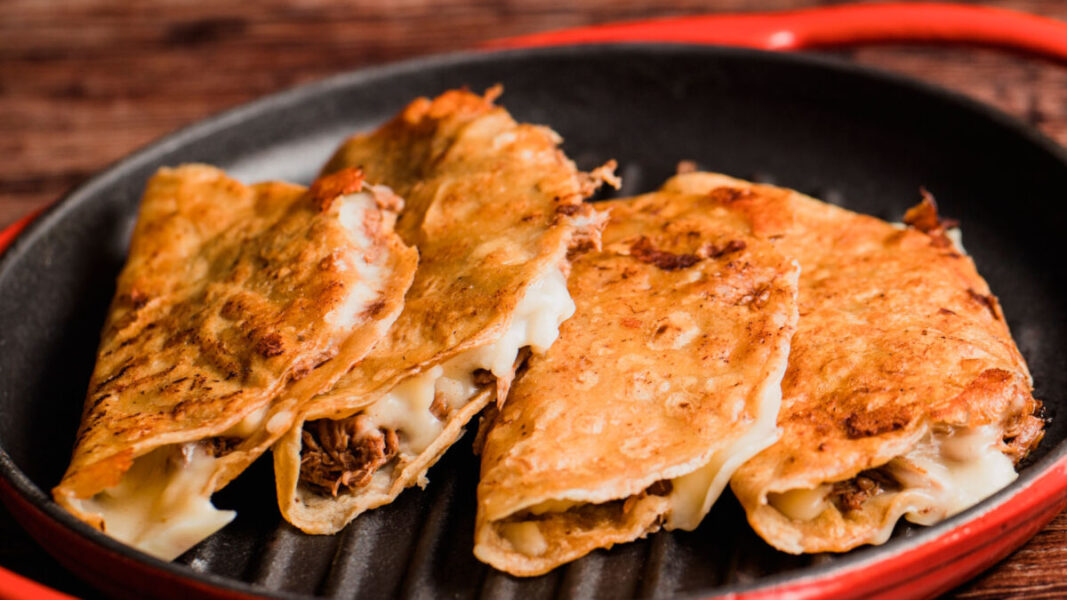
Mexican cuisine cannot be understood without considering its historical, social, and geographical context. Mexico is a country of extraordinary cultural and climatic diversity, and this richness is reflected in its food. From ancient civilizations such as the Maya, Aztecs, and Zapotecs to the arrival of the Spanish and later cultural influences, Mexican cuisine has evolved through cultural fusion, adaptation, and deep respect for local ingredients.
Each region developed its own culinary identity based on its environment, available produce, and local traditions. The result is a cuisine that is deeply connected to the land, where every dish tells a story and reflects a unique way of understanding life, family, and celebration. Enjoying Mexican food means experiencing centuries of shared history and cultural heritage.
The Role of Corn in Mexican Cuisine
More Than an Ingredient: A Cultural Symbol
Corn has been the foundation of the Mexican diet for thousands of years. Long before Europeans arrived, Mesoamerican civilizations cultivated it and regarded it as a sacred gift. According to ancient mythology, humanity itself was created from corn, explaining its profound symbolic importance. Corn is far more than a staple food, it is part of Mexico's national identity. Tortillas, tamales, atole, pozole, and sopes are just a few examples of how corn is present in everyday life, from breakfast to major celebrations. Its continued use reflects an unbreakable connection between Mexico's past and present.
Nixtamalization: The Ancient Technique Behind Authentic Flavor
Nixtamalization is an ancient process in which corn is cooked with lime (calcium hydroxide). This traditional technique improves digestibility, enhances nutritional value, and develops the distinctive flavor and aroma of corn. Without nixtamalization, authentic tortillas would not have their characteristic texture or taste. It remains an essential part of traditional Mexican cooking and stands as one of the greatest examples of ancestral knowledge that continues to shape modern gastronomy.
Tacos al Pastor: When Migration Becomes Tradition
From the Middle East to the Streets of Mexico
Tacos al Pastor perfectly illustrate how migration can enrich a nation's cuisine. In the early twentieth century, Lebanese immigrants introduced the shawarma cooking technique to Mexico. Over time, the recipe evolved to suit local tastes. Lamb was replaced with pork, while Mexican chilies, spices, and achiote were added to create an entirely new dish. Today, Tacos al Pastor are among the most iconic foods in Mexico. They represent the country's remarkable ability to embrace outside influences and transform them into something uniquely Mexican.
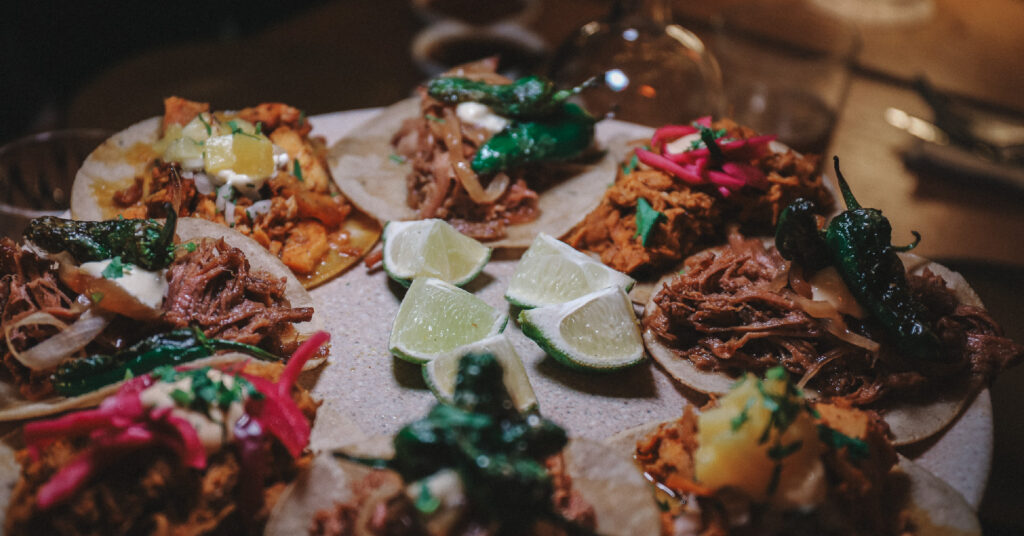
The Spinning Trompo and the Culture of the Taco
The slowly rotating vertical spit, known as the trompo, is one of the defining images of a traditional Mexican taqueria. Beyond the cooking method, the trompo represents a vibrant street food culture where eating tacos is a social experience. Watching the taquero slice the meat, add a piece of pineapple, and serve a freshly made taco is part of a daily ritual that creates a connection between the cook and the customer. This is why Tacos al Pastor are much more than food they are a shared cultural experience.
Mole: The Ultimate Expression of Mexican Culinary Complexity
A Recipe That Changes from Family to Family
Talking about mole means talking about diversity. There is no single official recipe, but dozens of regional and family variations, each adapted according to local traditions and special occasions. This oral tradition has allowed mole to evolve without losing its essence.
Every version reflects the identity of the person preparing it, making mole one of Mexico's most personal and emotionally meaningful dishes. Recipes are often passed down through generations, strengthening the connection between cooking and family heritage.
The Perfect Balance of Sweet, Savory, and Spicy
The true beauty of mole lies in its balance. Despite containing numerous ingredients, no single flavor dominates the others. The result is a rich, elegant sauce with remarkable depth and complexity that gradually unfolds on the palate. This harmony can only be achieved through patience, careful preparation, and respect for every stage of the cooking process. Mole reminds us that exceptional food always takes time.
Pozole: The Joy of Sharing Around the Table
A Dish That Brings Families Together
Pozole is one of Mexico's oldest and most meaningful traditional dishes. It has long been associated with important celebrations, and preparing it often involves several family members, reinforcing its communal spirit.
Served in large pots and shared around the table, pozole symbolizes hospitality, togetherness, and celebration. It encourages people to slow down, enjoy conversation, and spend time with one another.
Garnishes That Complete the Experience
One of pozole's most distinctive features is the way it is served. Each person customizes their bowl with fresh toppings such as shredded lettuce, sliced radishes, chopped onion, oregano, lime, and chili powder.
This simple tradition transforms the meal into an interactive dining experience, allowing everyone to adjust the flavors to their own taste while creating a stronger personal connection with the dish.
Cochinita Pibil: Respect for the Land and the Passage of Time
The Influence of Maya Culture on Yucatán's Cuisine
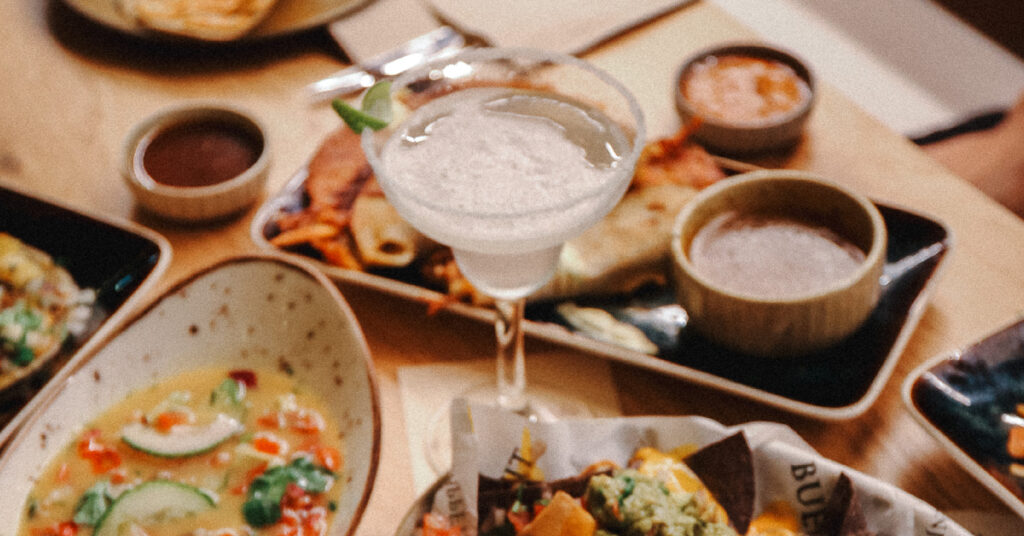
Cochinita Pibil is a direct culinary legacy of the ancient Maya civilization. Its slow-cooking technique and the use of ingredients such as achiote reflect a deep relationship with the land and natural environment of the Yucatán Peninsula.
The dish demonstrates how food can preserve ancestral traditions while keeping cultural heritage alive.
The Importance of Resting and Slow Cooking
Slow cooking allows the pork to absorb the rich flavors of the marinade, resulting in exceptionally tender and juicy meat.
In today's fast paced world, Cochinita Pibil represents a style of cooking built on patience, tradition, and respect for time.
Other Traditional Dishes That Define Mexican Cuisine
Tamales: A Pre-Hispanic Tradition Wrapped in History
Tamales are among Mexico's oldest traditional foods. Made from corn dough filled with a variety of ingredients and wrapped in natural leaves, their preparation has remained remarkably unchanged for centuries.
They are commonly enjoyed for breakfast, during festivals, and at religious and family celebrations. Preparing tamales is often a group activity, highlighting their strong social and family significance.
Chiles en Nogada: History, Color, and Symbolism
Chiles en nogada are a deeply symbolic dish closely tied to the history of Mexican independence. Their colors represent the national flag, and their preparation is associated with patriotic celebrations. They are a perfect example of how cuisine can become a language of identity and national pride.
Spice in Mexican Cuisine: Flavor, Not Excess
Mexico is home to an extraordinary variety of chili peppers, each with its own distinctive characteristics. Some provide intense heat, while others offer smoky, sweet, or fruity notes. This diversity makes it possible to create complex and well-balanced dishes, where spice is just one element of the overall flavor profile. Traditional Mexican cuisine views spice as something adaptable. Adjusting its intensity does not mean sacrificing authenticity; rather, it respects the diner's palate and allows them to fully enjoy the dish.
Casa Patrón: Mexican Tradition with a Mediterranean Soul
At Casa Patrón, every recipe is prepared with respect for its origins, combining traditional techniques with carefully selected ingredients from Mallorca. This thoughtful adaptation allows us to offer an authentic, approachable, and well-balanced dining experience.
The goal is not to reinterpret Mexican cuisine, but to convey its true essence in a Mediterranean setting while preserving the flavor, history, and character of every dish. Enjoying Mexican cuisine is a way of traveling through time and culture. Every dish tells a story of land, tradition, and community. At Casa Patrón, dining is also an opportunity to learn, discover, and connect with Mexico from Palma de Mallorca, enjoying a gastronomic experience that goes far beyond the plate.
Frequently Asked Questions About Mexican Cuisine
What is the origin of Mexican fine dining?
Mexican fine dining originated from the combination of pre-Hispanic culinary traditions and the European techniques introduced during the colonial period. Today, it is characterized by reinterpreting traditional recipes using high-quality ingredients and contemporary presentation while preserving their authentic essence.
What are the five main types of Mexican cuisine?
The five main regional styles of Mexican cuisine can be broadly grouped into Northern Mexican cuisine, Central Mexican cuisine, Oaxacan cuisine, Yucatán cuisine, and Pacific Coast cuisine. Each region is distinguished by its own traditional ingredients, cooking techniques, and signature recipes.
What foods originated in Mexico?
Mexico is the birthplace of iconic dishes such as tacos, pozole, tamales, mole, cochinita pibil, and chiles en nogada. It is also the native home of ingredients such as corn, cacao, avocado, and many varieties of chili peppers, all of which have Mexican or broader Mesoamerican origins.
What characterizes Mexican cuisine?
Mexican cuisine is characterized by the use of staple ingredients such as corn, chili peppers, and beans, as well as traditional techniques like nixtamalization. It is internationally recognized for its cultural richness, regional diversity, and the close relationship between its food, history, and traditions.